High-impact hypnotherapy, mindfulness and neuroscience with David Faratian — for anxiety, habits, phobias and peak performance.
Targeted, evidence-informed programmes — each with its own in-depth page built up over 15 years.
Quiet the noise, regain control.
Learn more →Change how your brain holds pain — using OldPain2Go®.
Learn more →Full sessions by video, anywhere.
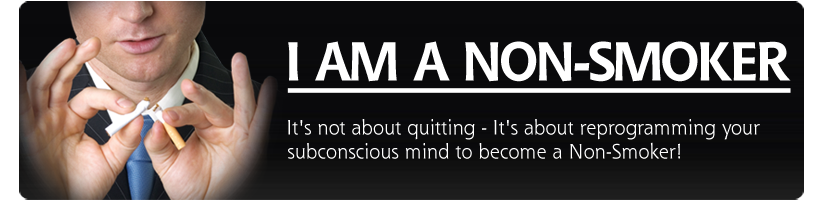
Learn more →Quit for good — fast.
Learn more →Break the fear loop.
Learn more →Own the room.
Learn more →Switch off and recharge.
Learn more →Reset your relationship with food.
Learn more →The full A–Z.
View all →A modern, neuroscience-informed process that works with how your brain forms habits and responses — no mystique required.
We pinpoint the pattern and map out exactly how hypnotherapy will help you.
In person on Roa Island or online — precise work on the root cause, not the symptom.
You leave with new responses hard-wired in, plus tools to keep the momentum.
Everything people ask before they get in touch — including what it costs.
Hypnosis is an altered but completely natural, heightened learning state. Through hypnotherapy you can learn to access more of your subconscious mind for therapeutic purposes — to transform memorised behaviours, trapped emotions or hard-wired beliefs, attitudes and emotional reactions. While you are relaxed, the right-hand side of the brain, which is associated with imagination, becomes very active and can be guided to change your perceptions, helping you meet most psychological challenges.
Each session costs £70 and generally lasts between 60–80 minutes. The number of sessions varies by treatment, but on average most treatments require 5 to 6 sessions for effective results.
Sessions are booked by phone and a deposit of 50% of the session cost (no more than £30) is payable at the time of booking. I want you to be completely happy with your treatment; however, should you decide to cancel, you are politely requested to give 48 hours’ notice, otherwise I reserve the right to secure payment for the missed appointment through the deposit paid.
Hypnotherapy is effective for most people and, unlike other talking therapies, the results are on the whole more long-lasting. This is because the subconscious re-learns how to let go of negative emotions the body may have been conditioned to, and creates new neurological pathways to the behaviours and emotions you want. In a very small number of cases where the client is unable to respond, Cumbria Hypnosis offers the exclusive assurance that treatment will not proceed if you have been deemed unsuitable for this process during the initial consultation.
Everyone responds to hypnotherapy differently, just as they do to any form of therapy. Some people notice instant change; for others it takes a little longer. Even when it feels that nothing has happened, you may be surprised at how much has changed — noticed in subtle shifts in perception and sense of wellbeing, especially when you look back at how you were before. The key is not to have firm preconceptions and to allow time for the process to work.
The science of hypnosis has been around for centuries but is only now being recognised by medical practitioners in the NHS, where it is used to help with a full range of conditions, including navigating a cancer diagnosis and the associated emotional stress. Millions of people use hypnosis to stop smoking, lose weight and conquer fears such as a fear of flying. Hypnosis accesses the creative, unconscious part of your mind — which makes up around 95% of our awareness — where there is no resistance to new ideas, so the mind can absorb them quickly and easily. For this reason the treatment can be much more effective, and longer-lasting, than many other forms of therapy.
The deep relaxation process distracts the conscious part of your mind, and while this happens positive suggestions are made directly to the unconscious part of your mind. This is where the real change happens: once your unconscious mind is open, it is far more receptive to the information it needs to change an unwanted experience or behaviour — helping you feel more confident, determined to lose weight, in control of a pain or fear, free of stress, or ready to outgrow a smoking habit.
When hypnotherapy is used to improve health, it can work positively on the way the body functions. In a state of hypnosis it is possible to encourage blood to flow better, veins to dilate, heart rate to reduce and white blood cell counts to increase — supporting the immune system.
For each treatment to be most effective, it’s best not to work on more than one issue at a time. If you’re in any doubt, simply contact us directly for more information.
Most definitely, yes. Hypnosis is often misunderstood thanks to stage shows and Hollywood films. You cannot be made to do anything you do not want to, and you are never ‘under the influence’ of the hypnotherapist. You are always aware, hypnosis can be broken at any time, and you can hear everything and respond as needed. Hypnosis is not mind control — it’s more control over your own mind and body.
Falling asleep is a natural symptom of being extra relaxed, but you are always aware and your subconscious mind absorbs what it needs. Many people liken the experience to dozing in front of the TV with their eyes closed — you know what’s going on, but you’re so relaxed you simply let your mind drift. At no point do you ‘go under’, although you may feel as though you’ve had a short, deep rest.
People who are actively using psychoactive drugs such as cocaine, cannabis or heroin, or who have bipolar disorder, schizophrenia, epilepsy, paranoia, chronic depression, any psychosis, or are violent, cannot use our service. If you suffer from persistent or chronic symptoms, such as high or low blood pressure, please consult your doctor before contacting us.
Cumbria Hypnosis is based in Barrow-in-Furness and serves Ulverston, Dalton-in-Furness, Kendal, Whitehaven, Workington, Penrith, Windermere, Carlisle and Lancaster. Thanks to the web, we also offer an equally effective remote service via Zoom, WhatsApp or iMessage. We run daytime and evening clinics (Mon–Fri) to suit your schedule. If you’re unsure, contact David directly on 07974 319 510 or via WhatsApp — if we’re unavailable, leave a message and we’ll get back to you within 24 hours.
Hypnosis can help with a wide range of psychological and physiological conditions, including: anxiety, depression, insomnia, IBS, migraines, CFS, fibromyalgia, behaviour and habit change (smoking, vaping, weight loss, gambling, social media), phobias, panic attacks, sleep disorders (night terrors, nightmares), sports performance, pain, self-esteem and confidence, social anxiety, work-related stress and performance, memory, accelerated learning and exam stress. If your area isn’t listed, please just ask.
Absolutely. Hypnosis is completely safe because it’s a natural part of the human experience — daydreaming, mindfulness and prayer all involve similar states of focused awareness.
Yes. Hypnosis helps you change your relationship with food by addressing the thoughts and feelings that drive eating habits, making it easier to adopt healthier choices that last.
Yes. Hypnosis has an excellent track record in helping people quit smoking and vaping by changing the underlying triggers and associations that keep the habit in place, and by helping you manage stress in healthier ways — without relying on cigarettes or vapes.
Yes, very effectively. Hypnotherapy is one of the most powerful tools for managing anxiety and stress, as well as related issues like phobias, PTSD, OCD and depression. It helps calm the mind and retrain your response to stress.
Yes. Hypnosis can reduce or even switch off chronic pain signals when medical solutions haven’t worked, and is often used as a safe, drug-free way to manage long-term pain. David Faratian is a qualified OldPain2Go® practitioner.
They’re similar in that all involve focused awareness and relaxation. However, hypnotherapy uses this state to create specific changes in thoughts, emotions and behaviours, whereas meditation and mindfulness are more about presence and observation.
Stage hypnosis is created for entertainment, using suggestibility to produce dramatic, often humorous performances. Hypnotherapy, by contrast, is a therapeutic practice that uses hypnosis to support healing, psychological insight and meaningful behavioural change — a structured, supportive environment in which unhelpful patterns can be safely explored and reconditioned.
Hypnotherapy should be used alongside, not as a replacement for, any conventional medical treatment you may be receiving. As hypnotherapy can slow the heart rate, if you have low blood pressure requiring medication please check with your GP before using any hypnotherapy or self-hypnosis.
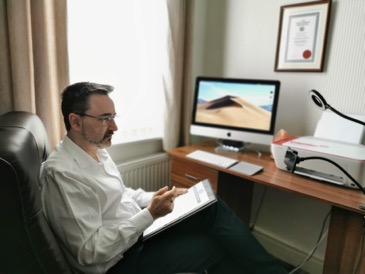
One of the North West's established hypnotherapists, fusing clinical hypnotherapy, mindfulness and neuroscience into a sharp, modern practice — in Cumbria and online worldwide.
David’s clients leave genuine, verified reviews on Google — no cherry-picked quotes. Read them in full, or add your own.
15 years of authoritative writing — a big reason Google and AI search trust this site.


One message is all it takes to start. WhatsApp David now for a free, no-pressure chat.
WhatsApp is fastest — but reach out however suits you.
On the live site this sends straight to David and you'll get an instant confirmation reply. He'll be in touch shortly.